
This page is a directory buying and fit guide for shoppers 50 and older — not a store checkout. Use it to compare fit, comfort, and purpose before you browse our walking, jogging, exercise, and stability guides or brand pages.
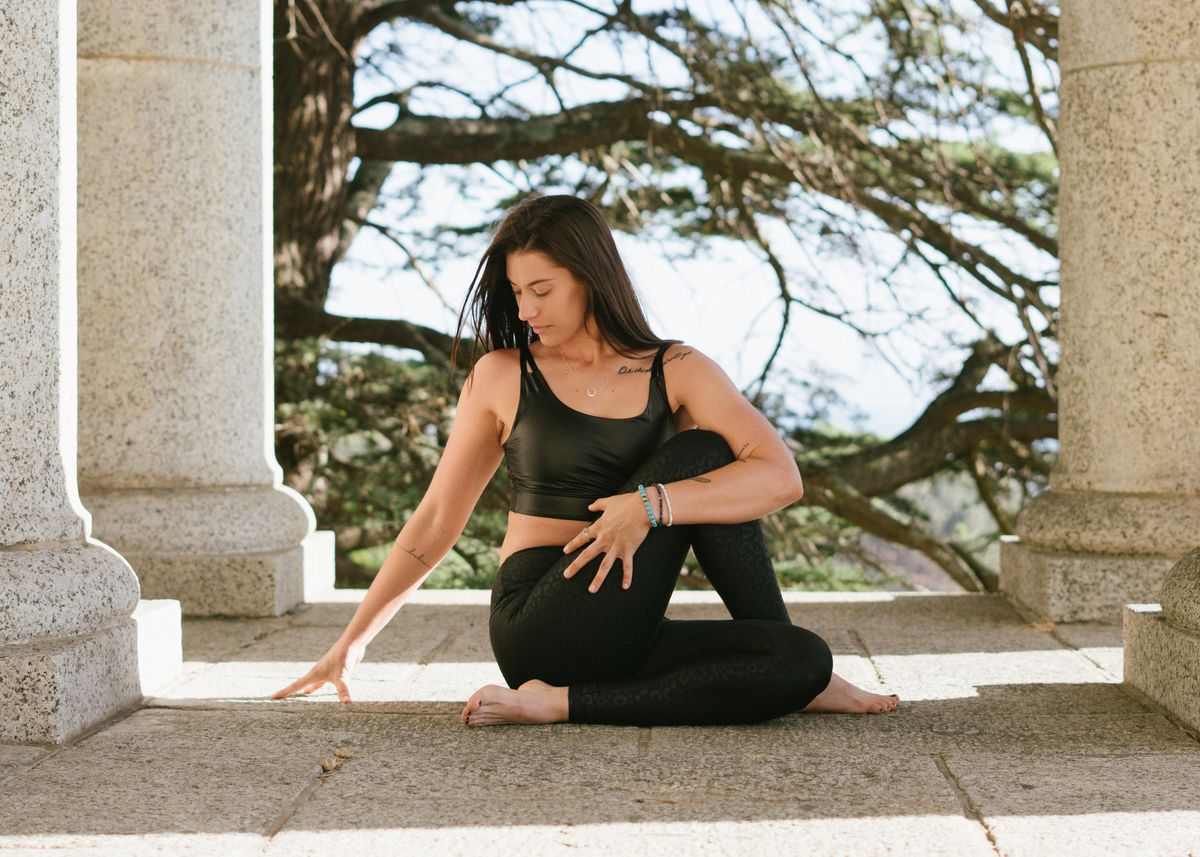
Match the shoe to your purpose
Start with what you actually do most days. The “best” shoe is the one that matches your activity, surfaces, and how your feet feel after an hour — not a label on a box.
- Walking shoes — Everyday walks, errands, and steady movement. Look for cushioning you can feel underfoot, a secure midfoot fit, and enough toe room for longer outings.
- Light jogging shoes — Brisk walks that tip into an easy jog, or short, easy runs on pavement. A bit more responsive cushioning and a secure heel usually matter more than max “gym” support.
- Exercise / gym shoes — Classes, strength work, and mixed indoor sessions. A flatter, more stable base often feels better for side-to-side moves than a tall, soft road-running stack.
- Stability / confidence-focused shoes — Shoppers who want a secure fastening, dependable grip, and a supportive feel underfoot. Features here are for comfort and confidence — not medical treatment.

Fit basics that matter after 50
Feet can change with age — swelling later in the day, wider forefeet, and needing more toe space are common. A careful fit check saves returns and sore miles.
- Length — Stand in the shoes. You generally want a thumb’s width (about ½ inch / 1–1.5 cm) of space beyond your longest toe. Too short pinches; far too long can make you feel less secure.
- Width — The forefoot should feel held, not squeezed. If the upper bulges or your little toe burns, try a wider size or a brand known for width options.
- Toe room — You should be able to wriggle your toes. A roomy toe box is one of the most common comfort upgrades seniors look for.
- Try later in the day — Feet are often larger after you’ve been on them. Fitting when they’re at their biggest is a practical habit.
- Wear the socks you’ll actually use — Thick walking socks vs thin dress socks change fit. Bring your usual pair when you try shoes on.
Cushioning vs ground feel
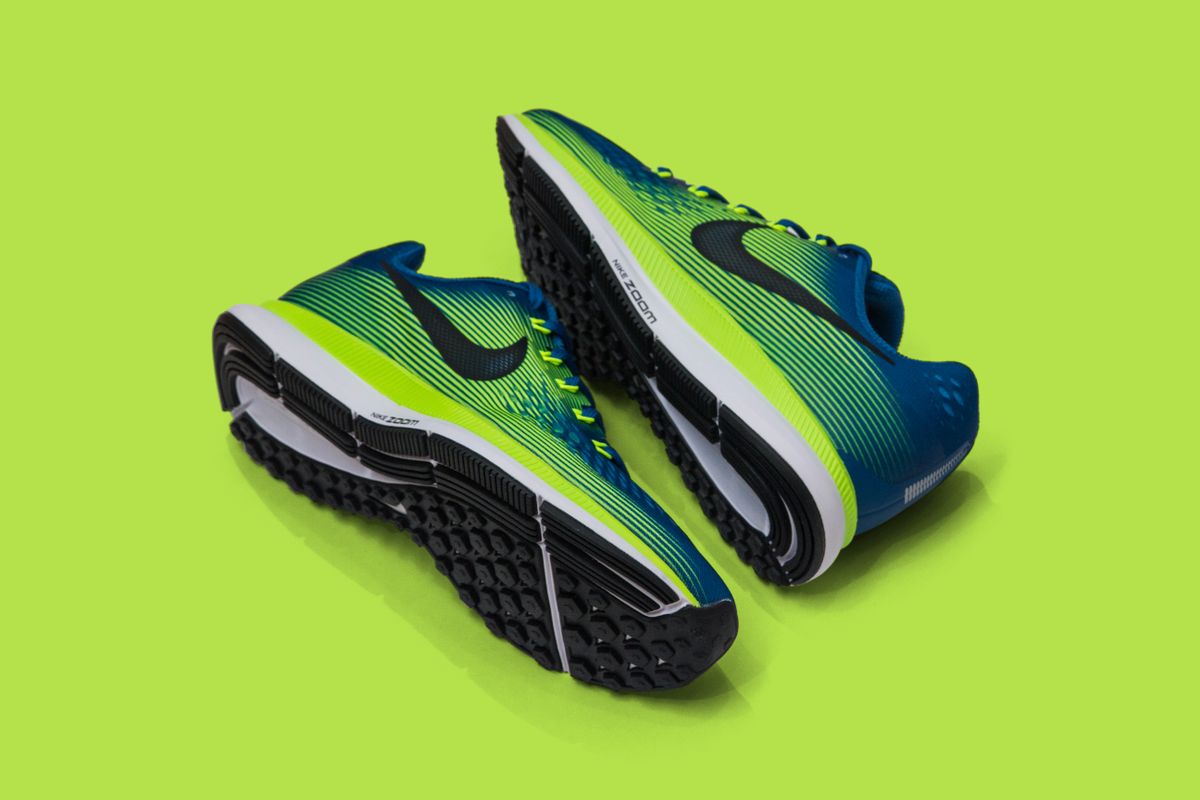
Think of cushioning as how soft the landing feels, and ground feel as how much of the surface you notice through the sole.
- More cushioning — Softer landings on hard pavement; popular for longer walks. Some people love a tall, soft stack; others find it less steady if the shoe feels tippy.
- Firmer / lower stack — More “connected” to the ground; often preferred for gym work or if a very soft shoe makes you feel less planted.
- Plain-language tip — Walk for several minutes on a hard floor if you can. If your feet or knees feel pounded, you may want more cushion. If you feel wobbly or “on stilts,” try something firmer or lower.
Support and stability features shoppers compare
When people talk about “support” or “stability,” they usually mean features that may help you feel steadier and more secure — not treatments for medical conditions. Compare these on product pages and in hand:
- A heel that locks in without slipping when you walk
- A midfoot that doesn’t swim side to side when you push off
- A wider base or firmer midsole that feels planted
- Guidance or dual-density foams marketed for a more controlled ride (common on stability-oriented walkers and trainers)
- High-traction outsoles for the surfaces you use (sidewalk, tile, trail)
If you have foot pain, neuropathy, balance concerns, or a clinician’s guidance about footwear, treat this directory as general information only and follow professional advice.
Closures: lace, strap, and slip-in
How a shoe opens and closes is a big part of daily comfort — especially if bending, hand strength, or rushing out the door matters to you.
- Traditional laces — Most adjustable fit. Take a little longer; you can fine-tune tightness at the midfoot and forefoot.
- Straps / hook-and-loop — Easy to adjust without a full re-lace. Handy when feet swell during the day.
- Slip-in / hands-free — Fastest on and off. Check that the heel still feels secure when you walk; a slip-in that heels out on every step is a poor trade for speed.
Tradeoff in one line: more adjustment usually means a more dialed fit; more hands-free convenience means you should be pickier about heel hold.
Outsole grip and weight
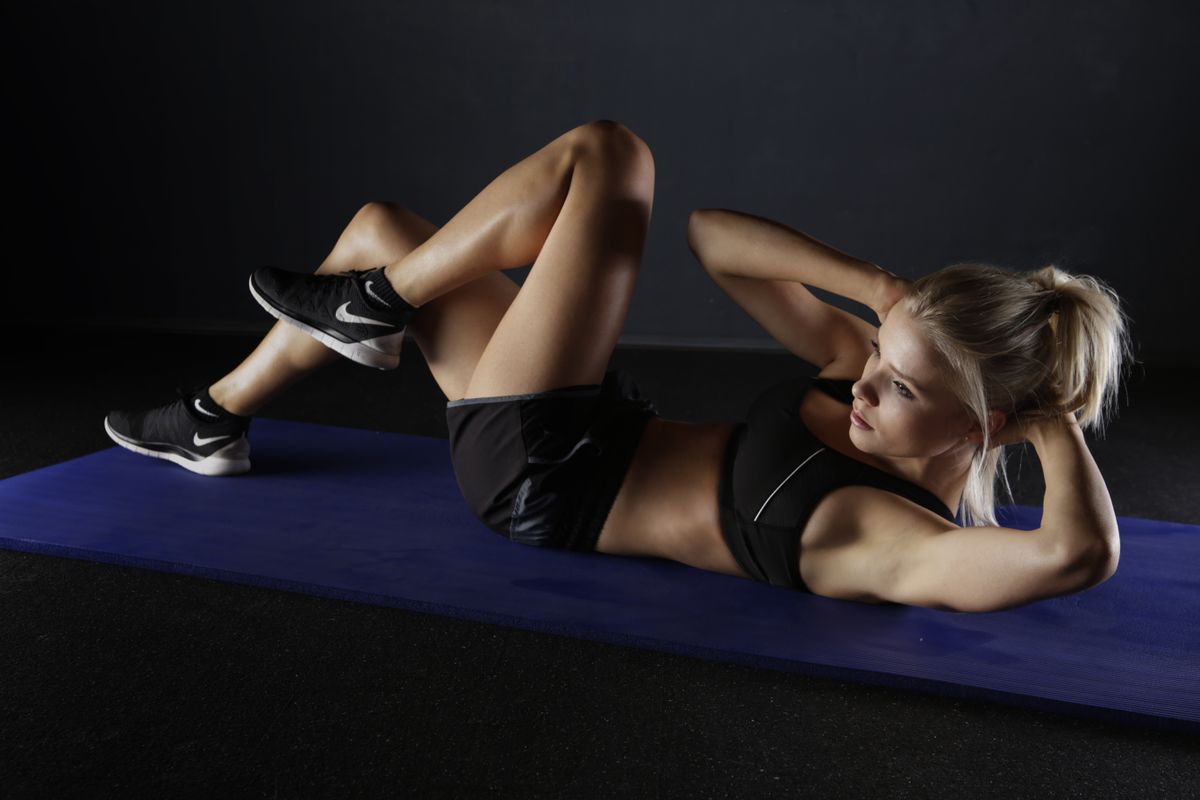
- Grip — Look at the tread pattern and rubber. Smooth indoor soles can feel slick on wet pavement; deep outdoor lugs may feel grabby on gym floors. Match the outsole to where you spend time.
- Weight — Lighter shoes can feel easier for longer walks; heavier, more built-up shoes sometimes feel more protective. There is no single right number — notice whether the pair feels effortless or tiring after 20–30 minutes.
When to replace worn shoes
Shoes don’t last forever. General wear signs that it’s time to shop again:
- Outsole rubber worn smooth or uneven (especially under the heel or ball of the foot)
- Midsole that looks compressed, creased, or permanently flattened
- Upper torn, stretched out, or no longer holding your foot
- New hot spots, more fatigue, or a “dead” feel on walks that used to feel fine
As a rough lifestyle guide, many walkers replace everyday shoes after months of regular use — sooner if you walk daily on hard pavement. Use feel and visible wear, not a calendar alone.
Start here: brand guides on this directory
These five brand pages are live on the site. Use them as starting points — then confirm current models, widths, and details on the brand or retailer page you choose. We don’t invent product claims beyond what’s summarized on those guides.
- Orthofeet — Roomy stretch fit, wide/deep toe boxes, and easy-entry walkers often compared for hard-to-fit feet.
- Skechers — Mainstream cushioning and Slip-ins / hands-free options that are easy to find.
- Brooks — Road-running DNA many shoppers use for brisk walking and light jogging.
- Hoka — Max-cushion pavement miles when you want a soft landing.
- New Balance — Width codes and stability-minded options many shoppers compare for gym and walking.
Browse the full brands index, or jump by purpose: walking, jogging, exercise, stability.
Affiliate disclosure
Some links may be affiliate links. If you buy through them, we may earn a commission at no extra cost to you.
Health note
General information only — not medical advice. Talk with a clinician if you have foot pain, balance concerns, or questions about exercise.