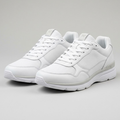
This guide helps adults 50+ choose shoes for light jogging and brisk fitness walks that tip into short, easy jogs. Shoes 50+ is a directory — we do not sell shoes here. Use this page to compare cushioning, fit, and brand starting points, then confirm current models and sizes on the brand or retailer page you choose.
Not sure which shoe type fits you?
Take the free Shoe Type Finder — about 2 minutes. A preference guide for adults 50+ (not medical advice).
For everyday walking without jogging, start with walking shoes. Not sure whether a walking shoe or a daily-trainer running shoe fits your week? See walking shoes vs running shoes. For gym classes and strength work, see exercise shoes. A deeper fit checklist lives in our shoe fit & buying guide.
What “light jogging” means on this page
We focus on short, easy jogs and brisk fitness movement — not racing or high-mileage training plans. Many adults 50+ want a shoe that feels cushioned and secure when a neighborhood walk turns into a few jog intervals, without buying a specialized race shoe.
If you are new to jogging or returning after time off, start gradually and follow clinician guidance if you have foot, joint, or balance concerns. Footwear choices here are comfort and fit comparisons — not medical treatment.
What to look for in light jogging shoes after 50
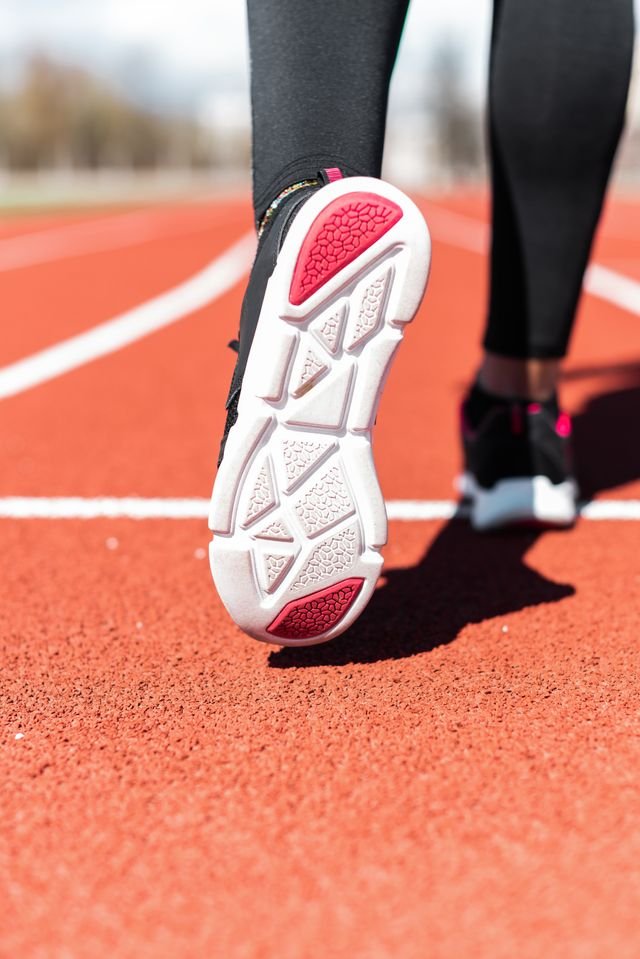
- Secure heel and midfoot — Jogging adds more bounce than walking. Heel slip that was “okay” for a stroll can become annoying or blister-prone when you jog.
- Cushioning that handles a bit more impact — Pavement jogs usually feel better with meaningful underfoot cushion. If a very soft, tall shoe feels tippy, try a moderate daily-trainer feel instead of max stack.
- Enough toe room — Roughly a thumb’s width beyond your longest toe when standing, with space to wriggle your toes. Feet can swell on warmer days and longer sessions.
- A ride that still feels steady — Soft landings help; so does feeling planted when you push off. “More foam” is not automatically better for everyone.
- A closure you will actually tighten — Traditional laces usually give the most dialed midfoot hold for jogging. Easy-entry styles can work if the heel stays locked when you jog in place.
Jogging vs walking vs gym shoes
- Walking shoes — Best for daily miles, errands, and travel when you rarely jog. All-day comfort and toe room matter most.
- Light jogging shoes (this page) — When brisk walks include short jogs. Prioritize heel hold and cushion that still feels secure at an easy jog pace.
- Exercise / gym shoes — Classes, strength work, and side-to-side moves. A flatter, more planted base often beats a tall soft road shoe.
- Stability-focused shoes — Shoppers comparing a more guided or planted feel. Features here are for confidence underfoot — not a diagnosis or cure.
Who light jogging shoes may suit
- Adults 50+ who mix walking with short, easy jog intervals
- People who want a cushioned “fitness” shoe for neighborhood pavement
- Shoppers moving up from a worn-out walking shoe that feels dead when they jog
Who may prefer another category
- Mostly walking and errands → start with walking shoes
- Mostly gym floors, classes, or strength work → see exercise shoes
- Shoppers prioritizing a more guided / planted feel → compare stability-focused shoes
- Hard-to-fit feet needing stretch uppers or deep toe boxes for walking → see Orthofeet notes under walking and brands
Fit tips before you buy
- Try shoes later in the day, when feet are often largest.
- Wear the socks you will jog in.
- Jog gently in place or take a short store loop if allowed — check heel slip and toe bang.
- If the forefoot feels squeezed, consider a true wider size (not only a longer length).
- If you use custom inserts, confirm the stock insole is removable on the specific model.
Full detail: Shoe Fit & Buying Guide.
Brand starting points for light jogging
These brand guides are live on Shoes 50+. They summarize who each brand may suit — not a ranked “best of” list. Confirm current models, widths, and details before you buy.
- Brooks — Specialty run brand many adults 50+ use for brisk fitness walking and light jogging; consistent daily-trainer geometry and GuideRails support options on select models.
- Hoka — High / max cushion and rocker geometry for soft pavement landings; popular when “more foam underfoot” is the priority for easy jogs.
- New Balance — Strong width menus and cushioned / stability-minded trainers; useful when wide or extra-wide fit matters for jogging as well as walking.
- Skechers — Mainstream cushioned walking and fitness lines with easy-entry options; better as a crossover for light activity days than as a dedicated high-mileage jog shoe — check heel hold carefully if you jog.
See the full brands index or return to the shoe directory. Orthofeet is primarily walking-focused on this directory; start there if easy entry and roomy fit for walking matter more than jogging.
When to replace jogging shoes
Replace shoes when wear shows up in how they feel or look — not only by calendar:
- Outsole rubber worn smooth or uneven under the heel or ball of the foot
- Midsole that looks compressed, creased, or permanently flattened
- Upper torn or stretched so the shoe no longer holds your foot
- New hot spots, more fatigue, or a “dead” feel on jogs that used to feel fine
Light joggers who also walk daily often wear shoes out faster than walk-only use. Trust feel and visible wear together.
Frequently asked questions
Can I jog in walking shoes?
Short, easy intervals sometimes feel fine in a cushioned walking shoe with good heel hold. For regular jogging, many people prefer a light-jogging or daily-trainer shoe with a more secure midfoot. If the heel slips or the shoe feels tippy when you jog, try a different pair — see also walking shoes.
Are running shoes OK for light jogging after 50?
Often yes — many “running” daily trainers are exactly what light joggers wear. Focus on fit, cushion comfort, and how steady you feel, not on race-day marketing. Confirm current model details on the seller’s page.
How should light jogging shoes fit?
Snug through the midfoot and heel, with about a thumb’s width of space beyond your longest toe when standing, and room to wriggle your toes. More detail is in the fit guide.
Do I need stability shoes to jog?
Not automatically. Many light joggers do well in neutral cushioned shoes. Stability-oriented models are one option shoppers compare when they want a more guided or planted feel. Browse stability-focused shoes and follow clinician guidance if you have a foot or balance concern.
What if I have wide feet?
Look for true width options and brands that publish wide / extra-wide sizes. On this directory, New Balance is a common starting point for width menus — confirm the width chart for the exact model.
Next steps
- Skim the fit & buying guide if you are unsure about length, width, or closures.
- Open one or two brand guides that match your priorities (daily-trainer feel, max cushion, or widths).
- Confirm current models, widths, and returns on the brand or retailer site before you buy.
Health note: General information only — not medical advice. Talk with a clinician if you have foot pain, balance concerns, or questions about starting or changing an exercise routine.