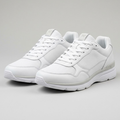
Walking Shoes for Plantar Fasciitis After 50: What to Look For (Free Heel Pain Morning Check)
Looking for walking shoes for plantar fasciitis for adults over 50? If your heel hurts most with your first steps in the morning, or after you have been sitting a while, you are not alone: it is one of the most talked-about foot complaints among walkers over 50. Shoes cannot treat the cause, but the pair you walk in can make the day feel very different. This guide shows which shoe features people compare for tender heels, which cushioned and supportive models are worth a look, and a free 3-tap Heel Pain Morning Check you can copy or share. It is general footwear information, not medical advice and not a treatment for any foot condition.
New here? The Shoe Type Finder matches you to a shoe type in about 2 minutes, and the Shoe Fit Checker helps if a shoe pinches, slips, or rubs. This page is for walkers whose main problem is heel pain, especially first thing in the morning.
Quick answer: if your heel is tender with your first steps, the features most worth comparing are:
- Heel cushioning you can still feel after an hour — a real layer of foam under the heel, not a thin, flat sole.
- A firm heel counter and a sole that rolls — a heel cup that holds its shape, and a shoe that bends at the toes rather than folding in the middle.
- The right width and a removable insole — room for your foot to sit naturally, and space for your own insert if a professional suggests one.
- A professional check if it persists — heel pain that is sharp, or lasts more than a couple of weeks, deserves a doctor or podiatrist before you rely on a shoe change.
What morning heel pain usually feels like
The band of tissue that runs along the sole of your foot, from heel to toes, is called the plantar fascia, and irritation of that band is the reason most often given for this pattern of pain. In plain language, the pattern people describe goes like this:
- The first steps out of bed, or after sitting through a film or a long drive, are the worst of the day.
- The heel feels tender, stiff, or bruised underneath, toward the inner side.
- It often eases once you have been moving for a few minutes, then creeps back after a long day of standing or walking.
- Thin slippers, old trainers, and hard floors tend to make it feel worse.
- For the first steps of the day, a supportive sandal or slipper with a contoured footbed can be a steadier start than a thin slipper — our Vionic guide covers the brand built around that idea.
Only a professional who examines you can say what is causing your heel pain — other conditions can feel similar. Treat this page as a shopping guide for comfort features, not as a diagnosis. If the pain is new, sharp, or not settling, get it checked first and shop second.
Shoe features worth comparing for sore heels
You do not need a shoe with a medical-sounding label. You need a handful of ordinary features, done well. These are the ones readers ask about most, and how to check each one in a shop or at home:
| Feature | Why people compare it | How to check |
|---|---|---|
| Heel cushioning | Most walkers land heel first, so the foam under the heel takes the first load of every step, including the tender first steps of the day. | Walk on a hard floor for several minutes, not just carpet. Soft for a minute but flat after ten is a sign to compare another pair. |
| Supportive insole feel | An insole that meets your arch comfortably spreads the feel of pressure along the foot instead of leaving it all under the heel. | The insole’s arch should feel present but not pushy. It should not leave a gap under a high arch or dig into a flatter one. |
| Firm heel counter | The stiff cup around the back of the heel holds the heel steadier, so it sits centred on the cushioning instead of rolling off it. | Squeeze the back of the shoe between thumb and fingers. It should hold its shape and spring back, not fold flat. |
| Rocker or roll | A gently curved sole rolls you from landing to toe-off, so the foot bends less sharply through the sore spot with each step. | Set the shoe on a table and look from the side: the toe and heel lift slightly. In the shoe, walking should feel like a roll, not a slap. |
| Fit and width | A heel that lifts or a foot that slides makes the tissues under the foot work harder. Room to spread matters too, especially by afternoon. | About a thumb’s width beyond the longest toe, checked later in the day. If you are between widths, try a true wide instead of sizing up. |
| Removable insole | Lets you try a heel cup, an arch insert, or an orthotic a professional suggests, without buying a whole new shoe. | Lift the insole out in the store. With your insert in, your heel should still sit down in the heel cup. |
Our walking shoes for sore feet guide covers the same features for end-of-day aches, and the high arch walking shoes guide explains why a fixed insole arch can miss the mark if your arch sits high.
Free Heel Pain Morning Check
Answer three quick questions to get a short shoe plan for morning heel pain: what to check in your current pair and where to go next on Shoes 50+. Nothing is saved or sent anywhere. Copy your plan into a note for your next shoe shop, or share it with a friend whose first steps hurt too.
My heel pain morning check
Pick one answer for each question, then tap Show my morning heel plan.
Free from Shoes 50+. General footwear tips only, not medical advice. Heel pain that is sharp, lasts more than a couple of weeks, or is worst with your first steps in the morning deserves a check with your doctor or a podiatrist.
Prefer a page of its own? The standalone Heel Pain Morning Check has the same three questions, with more on what the check looks at and what to do with your result.
Cushioned and supportive models to compare
Readers ask about the same shortlist again and again, so here it is in one place. These are starting points, not ranked picks or test results: we have not worn these shoes for this guide, and models change, so confirm current details on the official brand site before you buy. Each entry says why walkers with tender heels compare it, in the brand’s own positioning, checked on 13 November 2026.
ASICS GEL-Nimbus 28 — maximum cushion, neutral
ASICS lists the current Nimbus as its maximum-cushion neutral shoe, with FF BLAST PLUS cushioning and PureGEL in the heel — the combination readers ask about for soft landings on pavement days. It comes in standard and wide for women (B and D), and standard, wide and extra wide for men (D, 2E and 4E), though width stock varies by colour. Our ASICS guide covers the Nimbus line in the brand’s width system.
Brooks Ghost Max 4 — maximum cushion on a broad, steady base
Brooks positions the Ghost Max as a maximum-cushion neutral shoe with a twist: a broad base and a GlideRoll rocker, so the roll described in the feature table is built in. That steady feel is why walkers who find plain plush shoes wobbly compare this one. Widths run wide for the category: women’s B, D and 2E; men’s D, 2E and 4E. See our Brooks guide for the Ghost family.
Hoka Bondi 9 — plush cushion with a pronounced rocker
The Bondi is Hoka’s plushest everyday shoe: a tall stack of supercritical foam, a smooth Meta-Rocker, and a wide base that Hoka rates as neutral with moderate inherent stability. It is the pair to try if you want the softest landing going — and the pair to walk-test carefully if tall stacks make you feel lifted, as our Hoka guide notes. Regular, wide and extra-wide options appear across the range.
Saucony Triumph 24 — maximum cushion, soft and light
Saucony’s current Triumph is a maximum-cushion neutral shoe built on its IncrediLUX foam, sold in standard and a dedicated wide version. Readers compare it with the Nimbus when they want maximum cushioning in a shoe that feels a little lighter on the foot. Our Saucony guide covers the Triumph line.
Brooks Glycerin GTS 23 — plush cushion with guidance
Same plush idea as the neutral pairs above, plus Brooks’ GuideRails support, which the brand describes as keeping excess movement in check. This is the comparison pair if you like softness but your stride feels better with some direction underfoot. Brooks lists plush DNA Tuned cushioning and wide options: women’s B, D and 2E; men’s D, 2E and 4E. Our stability shoes hub explains how GTS-style support differs from a neutral shoe.
Brooks Addiction Walker 2 — maximum support, in leather
A different lane entirely: a leather walking shoe (not a trainer) that Brooks rates as maximum support, with a diagonal rollbar to help you stay in your natural stride and a slip-resistant certified outsole. The feel is firmer and more traditional than the foam stacks above, which some walkers prefer for all-day standing. It comes in medium and wide widths, with a strap version if laces are a problem.
Orthofeet walking shoes — built-in insole, extra depth, many widths
Orthofeet builds walking shoes around comfort features rather than running DNA: a built-in orthotic-style insole with arch support, a wide toe box with extra depth, layered cushioning and a mild rocker bottom. Women’s styles such as Coral add a stretch upper that gives over tender spots. Widths run from medium to extra wide across the range. Our Orthofeet guide covers the range, and if width is your main question, start with the Wide Shoe Finder and our walking shoes for wide feet guide.
Whichever lane you choose, do the same test: walk on a hard floor for several minutes in two pairs, back to back, and keep the one that feels comfortable and steady. Comfort you can feel in the shop beats any label on the box.
What not to expect from a shoe
A note of caution, because this corner of the internet needs one. Shoes can change how your day feels; they cannot treat plantar fasciitis or any other condition, and no shoe can promise to cure heel pain. Be sceptical of any product that says otherwise. What the right pair can do is give your heel a softer landing, hold it steadier, and stop an old, worn-out pair from quietly making things worse while you get proper advice. If pain is settling with rest and comfortable shoes, good. If it is not, that is information too — take it to a professional.
When your walking shoes need replacing
Before you buy anything, check the pair you already own. Worn heel cushioning is one of the most common, and most fixable, parts of this problem:
- The tread under the heel is smooth, or worn more on one side.
- The shoe leans when you set it on a table.
- The cushioning under the heel feels hard, thin, or creased.
- Your heels ache sooner in your usual pair than they used to.
- The heel counter has gone soft and folds when you squeeze it.
The free Shoe Replacement Checker walks through these signs in about a minute.
When to see a doctor instead of changing shoes
Ordinary morning stiffness that eases as you move is common. Talk with your doctor or a podiatrist if heel pain:
- is sharp, or lasts more than a couple of weeks even in comfortable shoes,
- is worst with your first steps in the morning and is not improving,
- comes with swelling in one foot or ankle, warmth, redness, or a colour change,
- comes with numbness, tingling, or burning, or
- involves a sore or blister that is slow to heal, especially if you have diabetes or circulation concerns.
A professional can check the cause and advise on footwear, inserts, and other options. Shoes 50+ can help you compare shoes, but it cannot diagnose foot problems.
Related tools and guides
- Shoe Fit Checker — Heel slip, cramped toes, and pressure points.
- Wide Shoe Finder — Do you need a wider shoe, and what kind?
- Walking shoes for sore feet — Features for end-of-day aches, with the Heel Comfort Shoe Check.
- High arch walking shoes — Cushioning and insole fit when your arch sits high.
- Walking shoes for wide feet — Widths, toe room, and when to choose wide over a size up.
- Shoe Replacement Checker · All free tools
FAQ
Why does my heel hurt most with my first steps in the morning?
The pattern is commonly linked to the plantar fascia, the band of tissue under the foot: after a night (or a long sit) with the foot relaxed, the first steps load it again, and it can feel tender or stiff until you have moved for a few minutes. That is the general explanation, not a diagnosis of your foot — if the pattern fits you and it persists, a doctor or podiatrist can confirm what is going on.
Do I need shoes labelled “for plantar fasciitis”?
There is no official shoe category with that label, and a label alone tells you little. What matters is the feature list: heel cushioning you can feel, a firm heel counter, a sole that rolls, and a fit that holds your heel still. The models section above shows how different brands build those features in.
Can I keep walking if my heel hurts?
Many people keep up gentle walking in comfortable, cushioned shoes, and choose softer surfaces and shorter outings on tender days. Treat sharp pain, pain that is getting worse week by week, or pain that changes how you walk as a stop-and-check sign rather than something to push through.
Can I put my own insole or orthotic in these shoes?
Often, yes, if the shoe has a removable insole and enough depth. Take the shoe’s own insole out first, put yours in, and check that your heel still sits down in the heel cup and the top of your foot is not pressed. If a professional gave you the orthotic, ask them which shoe styles suit it.
When should I see a doctor about heel pain?
If it is sharp, lasts more than a couple of weeks in comfortable shoes, is worst with your first steps and not improving, or comes with swelling, numbness, or colour changes, get it checked. The checklist above has the full list.
Sources and model checks
Model positioning, cushion and support categories, and width ranges were checked on the official brand sites on 13 November 2026: ASICS (GEL-Nimbus 28), Brooks (Ghost Max 4, Glycerin GTS 23, Addiction Walker 2), Hoka (Bondi 9), Saucony (Triumph 24) and Orthofeet (women’s walking shoes). Generations and widths change, so confirm the current version before you buy. If you arrived here from a social post naming an earlier generation — a Nimbus 27 or a Triumph 23, say — the current models above are the same lines, updated.
Health note: General footwear information only, not medical advice. Shoes 50+ does not diagnose or treat foot conditions. If you have ongoing foot pain, numbness, swelling, diabetes, or circulation concerns, talk with your doctor or a podiatrist before relying on any shoe change.