Who for
Vionic is a podiatrist-designed brand built around one idea: the support is in the shoe, not added afterwards. Every Vionic style carries the brand’s Vio Motion Technology — a built-in biomechanical footbed with a deep heel cup, contoured arch support, cushioning and forefoot flexibility. That makes Vionic a different lane from the run brands on this site: it is the directory’s built-in-support specialist, and the first brand here whose sandals and slippers are as much the point as its walking shoes.
This page is for adults over 50 who want arch support without buying a separate insole, who notice sore heels with their first steps in the morning, or who want a supportive pair to wear around the house instead of thin slippers. Fit framing only, not medical assessment. If you want maximum soft cushion for long miles, compare Hoka first; if you need hands-free step-in entry, stay on Skechers Slip-ins.
Facts come from Vionic’s US site (vionicshoes.com) and the American Podiatric Medical Association’s Seal program listing, checked 17 November 2026. We have not wear-tested these shoes. Models, colours, widths and prices change, so confirm details on the official Vionic website (opens in a new tab; we are not affiliated). Not sure what type of shoe you need? Try the free Shoe Type Finder first.
Quick verdict
A practical directory pick when built-in support matters more than softness. Vionic’s Vio Motion footbed is a structured, contoured support — deep heel cup, firm arch, flexible forefoot — rather than a soft marshmallow cushion. Many styles carry the APMA Seal of Acceptance, and Vionic’s walking range (Walk Max, Walk Strider, Walker Classic) comes in Medium and Wide on the styles we checked. The range leans women’s, with a smaller men’s line.
Start here if mornings are the problem: our walking shoes for plantar fasciitis guide compares cushioned and supportive models, and the free Heel Pain Morning Check asks three quick questions and gives you a short shoe plan.
Comfort / fit
- Structured, not soft: the Vio Motion footbed holds the foot in place with a contoured arch and deep heel cup. Walkers who like a firm, guided feel tend to love it; walkers who want a soft, sinking cushion may find it firm at first. Try it on a hard floor before a long day.
- Built-in support: the orthotic-style footbed is part of the shoe, so there is nothing extra to buy or fit — and on most styles the footbed is removable, so you can swap in your own insole if you already use one (check the exact style first).
- Sizing: Vionic lists whole and half sizes. We found no brand-stated “runs small” note on the styles we checked. One shopper in a recent unboxing (Mrs. Alex, 12 November 2026) sized down half a size in a Vionic sneaker and found it fit well — one person’s experience, not a rule. When in doubt, check Vionic’s size guide and the return terms before ordering.
- First steps: the Tide II sandal and Relax II slipper are the at-home pair for mornings — a contoured footbed underfoot instead of a thin slipper on a hard floor. See the Heel Pain Morning Check for the “cushioned pair by the bed” tip.
Use the fit guide, shoe type finder, shoe fit checker, and walking shoes for wide feet when deciding if a support-first shoe still fits walk-primary days.
Support / stability
Vio Motion Technology is Vionic’s own system, and the brand describes it in four parts: stability (deep heel cup), arch support (contoured footbed), cushioning (shock-absorbing midsole), and flexibility (forefoot that bends with your stride). It is brand-stated design language — not a diagnosis or treatment claim. The story behind it: in Sydney in 1991, a professional athlete walked in with an orthotic taped inside ordinary flip flops, and that became Vionic’s first prototype.
Many Vionic styles carry the APMA Seal of Acceptance from the American Podiatric Medical Association, which lists Vionic in its Seal program with styles including the Tide II, Walker and Walk Max ranges. Vionic also cites a peer-reviewed study of its contoured sandals for heel pain, which the brand says showed results comparable to its insoles — the study was partially funded by Vionic, and we repeat the brand’s claim here rather than testing it ourselves.
Width & fit
Vionic lists Medium (B) and Wide (D) widths for women on many styles, and some styles also come in Narrow. Examples we verified on Vionic’s US site: the Evie Knit Slide lists Medium (B) in sizes 5–13 and Wide (D) in sizes 5–12; the Walker Classic lists medium and wide widths in sizes 5–12. Vionic’s Summer 2025 catalogue marks “wide widths available” across much of the walking, sandal and loafer range.
No Extra Wide found: we found no Extra Wide (2E/4E) option on Vionic’s US site. If even Wide feels tight across the toes, see walking shoes for wide feet and the Wide Shoe Finder for brands that list Extra Wide, such as ASICS, Saucony and New Balance. Do not promise every width in every colour — width menus vary by style and colour.
Activities
Best for: everyday walking and errands, travel days on pavement, standing work, and at-home wear — the Tide II and Relax II cover warm days and mornings, the Walk Max range and Walker Classic cover out-and-about days.
Not ideal for: rough trails (no hiking-boot lane — compare Merrell), running, or maximum-cushion long miles (compare Hoka Bondi). The lace-up walkers need bending to fasten; the slip-on styles are mules and slides, not a hands-free step-in system. When midsole wear matters, use the shoe replacement checker.
Models often considered
Approximate manufacturer US list prices from Vionic’s own site and Summer 2025 catalogue, checked 17 November 2026 — confirm the current price before you buy, as prices move with colours and seasons.
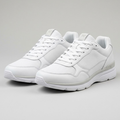
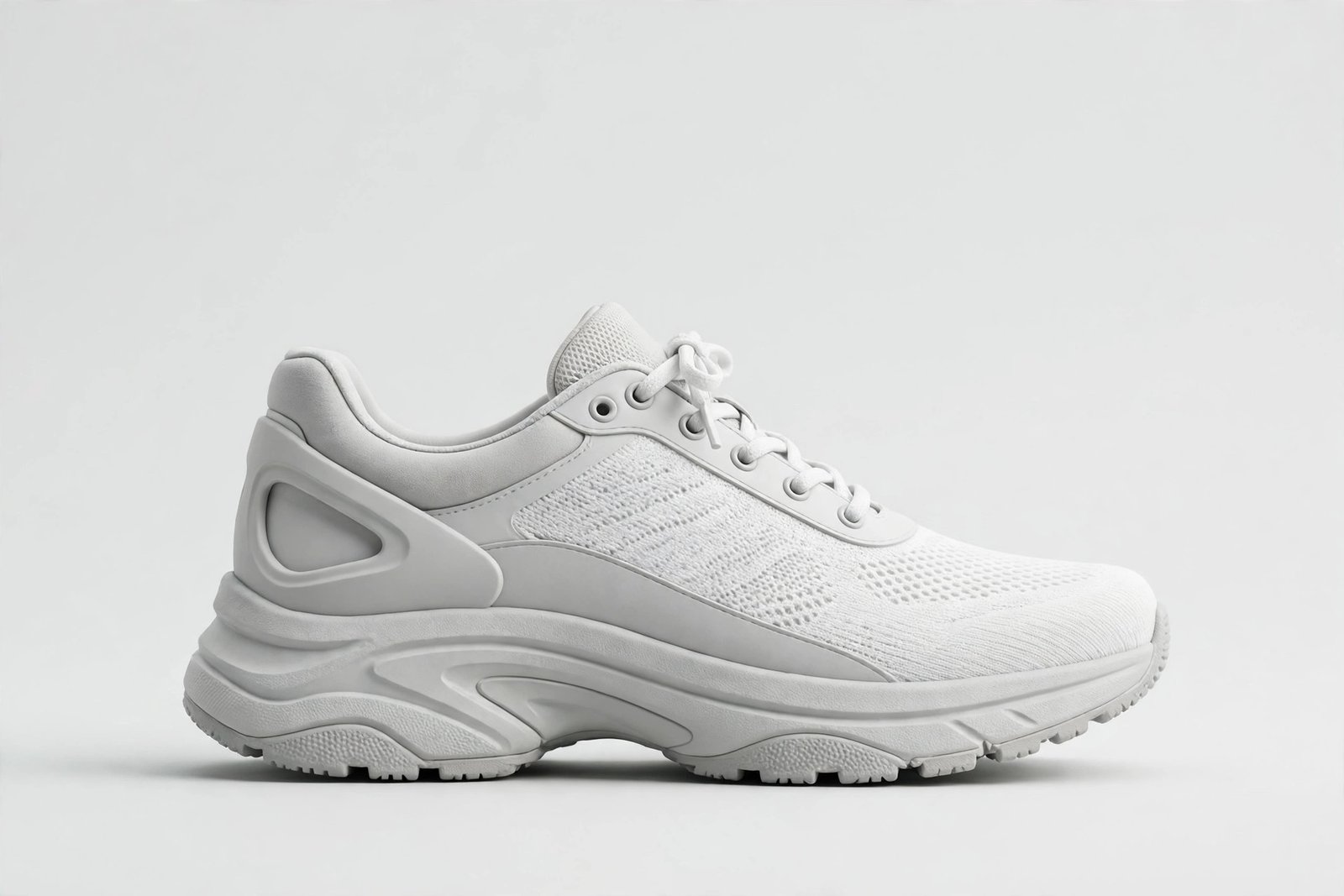
- Walk Max ~$140 — Vionic’s lace-up walking sneaker, built on the Vio Motion footbed; the walking-first pick in the range, with Wide available on the styles we checked.
- Walk Max Wanderer ~$130 — a second walking-sneaker option in the same Walk Max family, also listed with wide widths.
- Walk Strider — walking sneaker with the contoured arch support built in; the pick for walkers who usually add an insole and would rather not.
- Walker Classic — the leather walker: full-grain leather and breathable mesh upper, Vio Motion footbed, medium and wide widths, sizes 5–12. The classic Vionic walking shoe.
- Tide II — Vionic calls it the world’s first orthotic sandal and its best-selling sandal: toe-post style, contoured footbed, deep heel cup, APMA Seal of Acceptance. The warm-weather and at-home pair.
- Relax II — open-back slipper with an adjustable cross strap and cushioned footbed; the indoor pair for first steps in the morning.
- Uptown Loafer ~$135 — a dressier everyday loafer on the same Vio Motion footbed, for days when a sneaker looks wrong.
- 23Walk Mule ~$130 — backless slip-on mule for easy on-and-off around the house and garden.
- Evie Knit Slide ~$125 — knit slide sandal in Medium (B) sizes 5–13 and Wide (D) sizes 5–12.
To check current prices, use the official Vionic website — we link to the brand store only, and we are not affiliated.
Drawbacks
- Firm feel: the structured footbed is the point of the brand, but walkers who want a soft, plush landing may prefer Hoka or Brooks cushion instead.
- Wide only, no Extra Wide found on Vionic’s US site.
- Range leans women’s: men’s styles exist (Walker, Tide II) but the choice is narrower.
- Not hands-free: mules and slides slip on easily, but Vionic has no step-in system like Skechers Slip-ins — lace-up walkers still need bending.
- Generation churn: model names change with the seasons — check the current model name when you shop.
Alternatives
Shoppers often compare Vionic with:
- Orthofeet — stretch uppers and built-in orthotic insoles for hard-to-fit feet
- Skechers Arch Fit walkers and hands-free Slip-ins when easy entry matters more
- Hoka Bondi / Clifton for maximum soft cushion on long pavement miles
- Brooks Ghost / Glycerin cushion for brisk walking and light jogging
- OOFOS recovery slides for at-home recovery wear — no OOFOS brand page yet; our plantar fasciitis guide covers the recovery-sandal angle for now
See the full brands index and tools for guided discovery (shoe type finder, wide shoe finder, shoe fit checker, shoe replacement checker).
Bottom line
Vionic is a practical directory pick for adults over 50 who want support built into the shoe — a contoured footbed, deep heel cup and APMA-recognised styles — for everyday walking, travel days and the first steps of the morning. Start with the Walk Max for walking, the Walker Classic for a leather walker, and the Tide II or Relax II for around the house, then confirm current stock, widths and prices on the official site. Treat Vio Motion and APMA Seal language as brand feature names — not medical claims or lab results from this site.
Official site
Vionic official site — not affiliated with shoes.turnbackclock.com. Linked for brand information and product verification only.
Disclosures
Health note: This page is for general fit, comfort, and activity framing only. It is not medical advice. Vio Motion, APMA Seal, or support language describes shoe design preference — not diagnosis, treatment, cure, or pain-relief guarantees. If you have foot pain, swelling, diabetes-related foot concerns, or other health issues, talk with a clinician or podiatrist before choosing footwear.