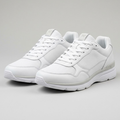
This guide helps adults 50+ understand stability-focused shoes — footwear shoppers compare when they want a more guided, planted, or secure feel underfoot. Shoes 50+ is a directory — we do not sell shoes here. Use this page for plain-language feature comparisons and brand starting points, then confirm current models on the brand or retailer page you choose.
Not sure which shoe type fits you?
Take the free Shoe Type Finder — about 2 minutes. A preference guide for adults 50+ (not medical advice).
Stability features are not a diagnosis, treatment, or cure. For persistent foot pain, numbness, or balance concerns, talk with a qualified clinician. Fit basics live in our shoe fit & buying guide. Related hubs: walking shoes, jogging shoes, and exercise shoes.
What “stability” means in everyday language
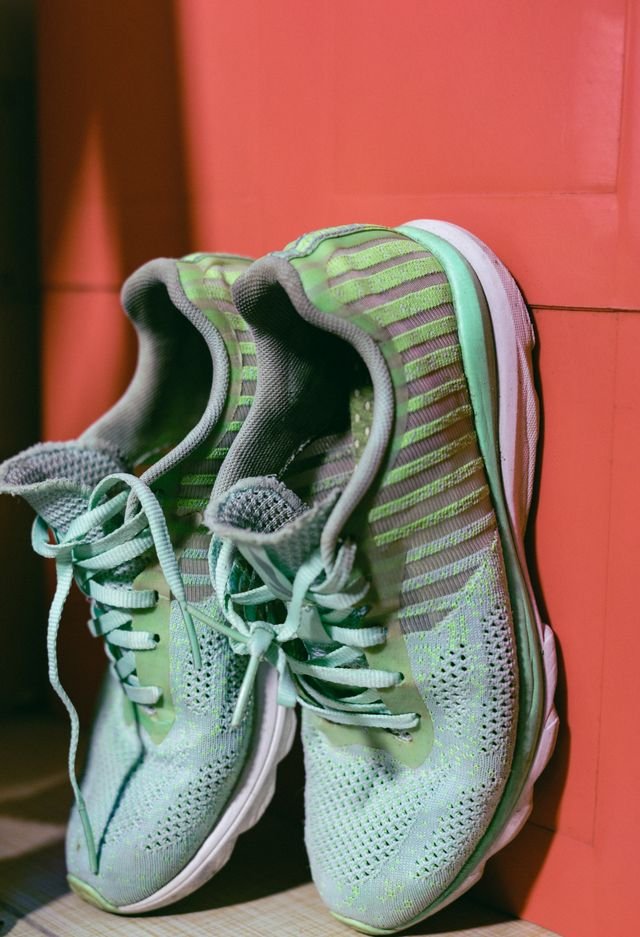
In footwear marketing, “stability” usually describes design choices meant to feel more guided or planted — for example firmer midsole zones, wider platforms, or structured uppers — compared with a soft, fully neutral cushioned shoe. Exact technologies differ by brand and change over time; always check the current model description rather than relying on an old name.
On Shoes 50+, we also group practical confidence features shoppers often compare together: secure fastening, dependable grip, and a ride that does not feel tippy. That is comfort and fit information — not medical advice.
What to look for (feature checklist)
- A planted midsole feel — Some shoppers prefer a firmer or more guided midsole if a very soft shoe feels tippy.
- Secure fastening — Laces or well-designed straps that hold the midfoot and heel for the activity you do most.
- Dependable outsole grip — Matched to sidewalks, damp pavement, or indoor floors you actually use.
- Enough toe room and the right width — A “supportive” shoe that squeezes the forefoot is the wrong size or width, not a better support choice.
- A base that matches your activity — Walking miles, light jogging, and gym work do not always want the same stack height or softness.
Stability vs neutral cushioned shoes
- Neutral / cushioned — Soft landings and a flexible ride; many walkers and light joggers do well here when the shoe simply fits and feels steady.
- Stability-oriented — One option shoppers compare when they want a more guided or structured feel. Brands may use different names and geometries.
- Max cushion — Soft pavement landings; some people love it, others feel less grounded if the shoe feels tall. Compare how you feel, not only the marketing label.
You do not automatically “need” stability shoes after 50. Many adults do best in a well-fitting neutral walking or training shoe. Start with comfort and fit; use stability options as a comparison category, not a prescription.
Who may compare stability-focused shoes
- Shoppers who feel less confident in very soft or tall shoes
- People who want a more guided daily-trainer or walking shoe after trying neutral pairs
- Adults comparing secure closures and grip for everyday walking confidence
- Those following a clinician’s footwear discussion and researching options (bring questions back to your clinician)
Who may prefer another starting point
- Everyday walking comfort first → walking shoes
- Short easy jogs → jogging shoes
- Gym and class work → exercise shoes
- Hard-to-fit feet (stretch uppers, deep toe boxes, easy entry) → Orthofeet and width-focused brands below
High arches? Many walkers with a higher arch start with cushioning rather than stability. See high arch walking shoes for adults over 50 and try the free High Arch Shoe Check.
Fit still comes first
- Try shoes later in the day.
- Wear your usual socks.
- Walk (and, if relevant, jog gently or do a squat) to check heel slip and tippiness.
- Prefer a true wider size over a longer length if the forefoot is tight.
- Confirm removable insoles if you use custom inserts.
Full detail: Shoe Fit & Buying Guide.
Brand starting points for support and stability
These brand guides are live on Shoes 50+. They summarize who each brand may suit — not a ranked “best of” list, and not a medical recommendation. Confirm current models, widths, and support descriptions before you buy.
- New Balance — Stability-minded options on select lines plus strong width menus; a frequent starting point when wide fit and structured support both matter.
- Brooks — Specialty daily trainers; GuideRails support options on select models that many adults 50+ compare for brisk walking and light jogging.
- Orthofeet — Walking-focused specialty brand; roomy/deep toe boxes, stretch uppers, and easy-entry closures many shoppers compare for secure everyday walking fit.
- Hoka — Known for max cushion; some shoppers still compare specific models when they want soft landings with a geometry that feels stable to them — verify the current model rather than assuming all Hoka shoes are “stability” shoes.
- Skechers — Mainstream walking lines with Arch Fit and easy-entry options; useful for everyday comfort comparisons, with heel hold checked carefully.
- ASICS — Kayano is the stability line, with Nimbus and Cumulus as cushioned daily trainers; select models list Wide or Extra Wide.
- Saucony — Guide is the stability daily trainer in Wide and Extra Wide; Triumph and Ride are cushion and everyday options in Wide.
Choosing between two of these? See New Balance vs ASICS stability shoes for a side-by-side of 860 vs GEL-KAYANO / GT-2000, width labels, and a free 4-tap Stability Brand Match.
See the full brands index or return to the shoe directory.
Browse by category
Our stability and support guides, grouped by category. See all guides by category for walking, wide fit, easy-on, travel, gym and brand comparisons.
Stability & Support
- Stability-Focused Shoes for Adults 50+ (hub)
- New Balance vs ASICS Stability Shoes
- High Arch Walking Shoes
- Sidewalk Walking Shoes With Good Grip
See all new Stability & Support guides — new guides in this category appear there first.
Frequently asked questions
Do I need stability shoes after 50?
Not automatically. Age alone does not dictate a stability shoe. Many people over 50 walk comfortably in well-fitting neutral shoes. Compare how planted and secure a shoe feels for your activity, and seek professional advice for foot or balance concerns.
Are stability shoes the same as orthopedic shoes?
No. “Stability” is a footwear category label. Specialty walking brands (such as Orthofeet on this directory) emphasize fit features like roomy toe boxes and easy entry. Neither label replaces clinical care.
Can stability shoes fix pronation or prevent falls?
We do not claim that any shoe fixes pronation, prevents falls, or treats medical conditions. Shoes can feel more or less guided and secure; that is a comfort and confidence comparison. See a clinician for medical questions.
Should I choose stability or max cushion?
They answer different preferences. Max cushion prioritizes soft landings; stability-oriented designs prioritize a more guided or planted feel. Some shoes try to blend both — try them on and trust how steady you feel after several minutes of walking.
Where should I start if I mostly walk?
Read walking shoes first, then return here if you specifically want to compare guided/planted options and the brand notes above.
Brooks or New Balance: which stability walking shoe suits a senior?
Neither is best for everyone. New Balance offers stability-minded options on select lines plus strong width menus, which helps when wide fit and structured support both matter. Brooks offers GuideRails support on select models that many adults 50+ compare for brisk walking. Try both on late in the day and keep the pair that feels steady and roomy. For balance or foot pain, please see a healthcare professional.
Are there stability shoes for seniors with wide feet?
Yes. New Balance lists wide widths on many lines, the ASICS Kayano stability line lists Wide or Extra Wide on select models, and the Saucony Guide comes in Wide and Extra Wide. Confirm the current width options on the brand site, and see our wide feet walking guide for fit checks.
Is there a free tool to help me pick a stability shoe?
Yes. The free Shoe Type Finder suggests whether stability, cushion, or easy-on styles may suit how you move, and the New Balance vs ASICS stability comparison includes a free 4-tap Stability Brand Match. No signup is needed. These are preference guides only, not medical advice.
Next steps
- Confirm your main activity (walking, light jogging, or gym) and open that hub as well.
- Skim the fit & buying guide so size and width are not working against you.
- Compare two brand guides, then verify current model details and returns before buying.
Health note: General information only — not medical advice. Talk with a clinician if you have foot pain, balance concerns, or questions about starting or changing an exercise routine.