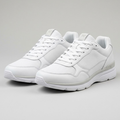
Looking for travel walking shoes for sightseeing over 50? Most trips ask one pair of shoes to handle airport corridors, museum floors, cobblestones, hills, and the occasional rainy afternoon — often for many hours a day, several days in a row. This guide helps adults over 50 compare the comfort, fit, and grip features that matter for sightseeing, then gives you a free packing checklist you can copy or share with a travel partner. It is general footwear information, not medical advice; confirm current models and widths on each brand’s official site.
Not sure which shoe type suits you in the first place? Take the free Shoe Type Finder (about 2 minutes), then come back here to make that type trip-ready. Everyday comfort notes live on our walking shoes hub.

What a sightseeing day asks of your shoes
Travel walking is different from a neighborhood loop. You are usually on your feet longer, on surfaces you did not choose, with fewer chances to swap shoes. The features worth prioritizing:
- All-day cushioning that still feels steady — Soft enough for hours on stone and concrete, but not so tall or squishy that uneven streets feel wobbly.
- Grippy outsoles — Polished museum floors, wet plazas, and worn stone steps reward a rubber outsole with visible tread.
- Room for long days — Many people find their feet feel fuller late in the day or after a long flight, so a little extra toe room and an adjustable closure help.
- Secure heel hold — Hills, stairs, and cobblestones are where a loose heel shows up first.
- Easy on and off — Handy for security lines, temples or homes where shoes come off, and hotel rooms. Rules vary by airport and country.
- A look you will actually wear to dinner — One versatile pair often beats packing three.
Match the shoe to the trip
Use this as a starting map, not a ranked list. These are shoe types to explore, with links to our hubs and brand guides.
| Trip style | What to prioritize | Where to start on Shoes 50+ |
|---|---|---|
| City sightseeing (pavement, museums, long days) | Cushioned walking shoe with a stable base, breathable upper, grippy outsole. | Walking shoes · mall walking guide (similar flat-floor miles) · Hoka vs Brooks |
| Old towns, cobblestones, hills | A more planted, less tippy platform; secure heel; deeper tread. | Stability shoes · Shoe Fit Checker (heel slip, sliding forward) |
| Flights, connections, security lines | Easy entry that still holds the heel; adjustable closures for long seated stretches. | Hands-free slip-on walking shoes · Skechers · Orthofeet |
| Cruise ports and day excursions | Light, quick-drying feel; grip on wet decks and gangways; easy on and off. | Walking shoes · hands-free guide |
| Active trips (park trails, gentle hikes, lots of steps) | Trail-capable or rugged walking outsole; toe room for downhills; supportive fit. | Exercise shoes · walking vs running shoes |
| Feet that feel cramped by afternoon | True wide or extra-wide sizing, roomy toe box, adjustable closure. | Wide Shoe Finder · walking shoes for wide feet |
Japan and other stair-heavy, hilly cities
Travelers heading to Japan often say the same two things afterwards: there were far more stairs than they expected, and they took their shoes off far more often than they planned. Station transfers, pedestrian bridges, and long flights of stone steps up to temples and shrines add up quickly. Elevators and escalators are usually there, but they can mean a detour to find. The same thinking applies to any hilly, stair-heavy city.
- Heel hold for going down: Stairs down and steep lanes are where a loose heel or a foot sliding forward shows up first. A secure heel and a closure you can snug up matter more than extra softness.
- Grip on stone steps: Old stone steps and paths can get slick in the rain. A rubber outsole with visible tread is worth more than a smooth, fashion-style sole.
- Toe room for downhills: If your toes tap the front on the way down, look at length and toe box shape. Our roomy toe box guide explains the difference between toe room and width.
- Easy on and off, many times a day: Japan’s national tourism organization notes that you may be asked to take your shoes off when entering temple buildings, and suggests wearing a good pair of socks. Travelers report the same at traditional inns, some restaurants, and fitting rooms. Hands-free slip-on walking shoes, stretch laces, or strap closures save time at every doorway, as long as the heel still feels secure once you are walking.
- Socks you are happy to show: Pack socks without holes, and take care on polished wooden floors and stairs in sock feet. Go slowly and use handrails where they are provided.
- Skip heavy, slow-to-lace boots: Unless your trip includes real hiking, a broken-in walking shoe is usually easier to live with than boots you have to unlace at every entrance.
For cobblestones, wet streets, and a simple routine for breaking shoes in before a city trip, see our guide to comfort shoes for city walking.
Walking shoes that go with jeans, skirts, and dresses
A common travel question is how to pack one comfortable pair that does not look out of place at dinner or in photos. You do not have to give up comfort to look put-together. A few general pointers:
- Neutral colors work with more outfits: Grey, navy, black, stone, and white go with jeans, skirts, and dresses. A shoe whose sole is close in color to the upper tends to look less sporty than a bright upper on a contrasting white sole.
- Lower-profile styles: A cleaner shape, fewer overlays, and small logos look more casual-smart. Very thick, high-stack shoes can look bulky with a dress. If you love max cushioning, pack it as your big-walking-day pair.
- Uppers that look less athletic: Knit, suede-look, or leather-look uppers in a single color often blend in with everyday clothes. Check the official brand site for current colors and widths.
- Do not trade away the basics: A very thin, flat sole may look neat but can feel tiring by afternoon. Keep the same checks as any travel shoe: secure heel, grippy outsole, enough toe room.
- Two pairs, two jobs: Many travelers bring one main walking shoe and one lower-profile comfort pair for evenings. Break in both before you go.
- Test your sock plan: If you plan to wear no-show socks or go without socks under a dress, try that on a long walk at home first, since rubbing often shows up later in the day.
Free travel shoe checklist
Tick these off in the weeks before you go. Your progress stays on this page while it is open, and you can copy the list into a note or share it with whoever you are traveling with.
My travel shoe checklist
0 of 10 done
Free from Shoes 50+. General footwear tips only, not medical advice.
Fit checks before you pack
Do a “long day” test at home
Wear the shoes for a few multi-hour outings before the trip: errands, a museum visit, a long park walk. Hotspots, rubbing at the heel, or toes pressing the front usually show up after hour two, not in the first ten minutes. If something bothers you, the Shoe Fit Checker walks through common fit complaints in plain language.
Width beats sizing up
If shoes feel tight across the forefoot by afternoon, a true wide or extra-wide in your normal length often works better than going a half size longer, which can let your foot slide forward on downhill streets. The Wide Shoe Finder helps you decide whether width is worth exploring, and our fit & buying guide covers length and closures.
Check the soles of the pair you already love
Your favorite walking shoes may be the best travel shoes, if they still have life in them. Worn-smooth tread and flattened cushioning are worth checking before a big trip. The Shoe Replacement Checker takes about a minute.
Travelling with your parents
Helping a parent in their 50s, 70s, or beyond get trip-ready? A few tips for adult children:
- Start early. Shop weeks ahead, ideally longer, so there is time to break shoes in and to exchange a pair that is not right.
- Let them choose the feel. Measure later in the day and try shoes together, or order with a clear return window. Our guide to buying walking shoes for a parent over 50 has a printable measuring card and a try-at-home checklist.
- Break them in together. Build up walks at home over a few weeks, including some stairs and slopes, so the trip is not the first long day in new shoes.
- Make shoes-off stops easy. If bending to tie laces is a chore, an easy-on pair that still holds the heel can make temples, inns, and security lines simpler.
- Plan the pace, not just the shoes. Good shoes do not replace rest breaks. Plan for elevators, taxis, shorter sightseeing days, and a seat now and then.
- Check in about comfort. If your parent has foot pain, balance concerns, or uses orthotics, suggest they talk with a healthcare professional before a big walking trip. See our walking shoes for orthotics guide for fit tips.
General footwear tips only, not medical advice.
Brand starting points to investigate
These are brands in our directory that adults over 50 often look at for long walking days. They are examples to research, not guaranteed picks, and models change often.
- Skechers — Easy-entry Slip-ins and casual walkers, as framed in our brand guide; useful for flight days.
- Orthofeet — Roomy, easy on/off comfort-focused walking styles.
- Hoka — High- and max-cushion walking options for long pavement days.
- Brooks — Soft everyday trainers, including supportive options.
- New Balance, ASICS, and Saucony — Worth checking when you need specific width menus or a more guided feel.
See the full brands index or the shoe directory for more starting points. Always confirm current widths and fit notes on the official brand site before you buy.
Related tools and guides
- Shoe Type Finder — Find your shoe type in about 2 minutes.
- Shoe Fit Checker — Practical help with heel slip, cramped toes, and pressure points.
- Wide Shoe Finder — When forefoot room is the recurring issue.
- Shoe Replacement Checker — Is your current pair still trip-worthy?
- Hands-free slip-on walking shoes — Easy entry that still feels secure.
- Mall walking shoes — Comfort for long, flat indoor miles.
- Comfort shoes for city walking — Cobblestones, wet streets, breaking shoes in, and a simple routine for long sightseeing days.
- Walking shoes hub · Stability shoes hub · All free tools
FAQ
What kind of shoes are best for sightseeing over 50?
There is no single best shoe, but most sightseers over 50 do well with a broken-in, cushioned walking shoe that has a stable base, a secure heel, a grippy rubber outsole, and enough toe room for long days. If your trip involves cobblestones or hills, lean toward a more planted feel; if it involves lots of flights, an easy-on pair that still holds your heel is handy.
Should I buy new shoes right before a trip?
If you can, buy them a few weeks ahead and wear them on several long outings first. Brand-new shoes can reveal rubbing or pressure only after hours of walking, and you would rather find that at home than halfway through a city tour.
How many pairs of shoes should I pack for a sightseeing trip?
Many travelers bring two comfortable pairs: one main walking shoe and a second pair to rotate, so each gets a chance to dry out and your feet get a slightly different feel on back-to-back walking days. Add sandals or dressier shoes only if your plans call for them.
What shoes are good for walking in Japan?
Most travelers do best with a broken-in, comfortable walking shoe that holds the heel on stairs, grips on wet stone, and slips on and off easily, because you may be asked to remove your shoes at temple buildings, traditional inns, and some restaurants. Neutral colors and a lower-profile style make it easier to wear the same pair with jeans, skirts, or dresses.
Health note: General footwear information only, not medical advice. Talk with a qualified clinician if you have foot pain, swelling concerns, balance issues, or questions about how much walking is right for you.